
Key Takeaways
- Match warehouse capabilities to your specific business needs
- Location, technology, and scalability are critical selection factors
- Asking the right questions saves money and prevents costly mistakes
- Third-party warehouses can reduce overhead and improve fulfillment speed
Introduction
Knowing how to choose a warehouse service for your business can make or break your supply chain. The wrong choice leads to delayed shipments, inventory errors, and lost customers. The right choice keeps operations running smoothly and supports growth. This guide walks you through every factor that matters.
Understanding Your Warehousing Needs
Before comparing providers, get clear on what your business actually needs.
Start with your inventory volume. How much stock do you move each month? Is that number growing? Do you handle seasonal spikes?
Next, consider your product type. Fragile goods need special handling. Temperature-sensitive products require cold storage. Bulky items need specific racking systems.
Finally, look at your order fulfillment speed requirements. Same-day or next-day delivery demands a warehouse with strong picking and packing systems already in place.
Key Factors to Consider When Selecting a Warehouse
These are the factors that separate a good warehouse partner from a poor one.
Service Range: Does the provider offer everything you need under one roof? Look for receiving, storage, pick and pack, shipping, and returns processing. Some providers also offer cross-docking, which moves goods directly from inbound to outbound without long-term storage.
Pricing Structure: Understand exactly how they charge. Some use per-pallet pricing. Others charge by square footage or by order. Hidden fees add up fast. Get a full breakdown before signing anything.
Contract Flexibility: Avoid long-term contracts if your business is still growing. Look for month-to-month options or contracts that scale with your volume.
Reputation and Track Record: Check reviews. Ask for references. A warehouse with a strong record in your industry is worth more than one with a lower price and poor performance history.
Evaluating Warehouse Capabilities and Technology
A modern warehouse should run on strong technology. This is not optional anymore.
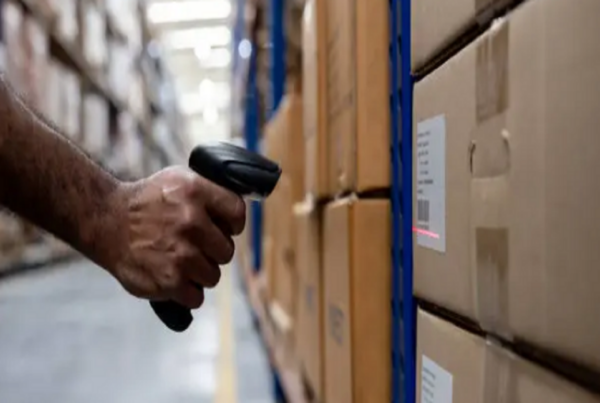
A good Warehouse Management System (WMS) tracks every item in real time. It reduces human error and gives you full visibility into your inventory at any moment. Real-time inventory tracking is one of the biggest benefits a tech-driven warehouse provides.
Ask about their integration capabilities. Can their system connect to your e-commerce platform, ERP, or shipping software? Seamless integration cuts down on manual data entry and speeds up order processing.
Also, ask about reporting. You should be able to pull inventory reports, order histories, and fulfillment accuracy data whenever you need it.
E-commerce fulfillment in particular demands fast, accurate systems. If a provider cannot handle high order volumes during peak periods without error, they are not the right fit.
The Importance of Location and Scalability
Location affects your shipping costs and delivery times directly.
A warehouse close to your customers means shorter transit times. It also means lower freight transportation costs. If you serve customers across multiple regions, look for a provider with multiple distribution center locations or a strong carrier network.
Scalability matters just as much. Your business will not stay the same size forever. A warehouse partner should grow with you. They should handle a sudden spike in orders without dropping service quality.
Businesses that outgrow their current warehouse setup often face disruption during the transition. Choosing a scalable provider from the start avoids that problem entirely.
Questions to Ask Potential Warehouse Providers
Before you sign with anyone, ask these questions directly.
- What industries do you currently serve?
- How do you handle damaged or lost inventory?
- What does your onboarding process look like?
- How do you manage peak season volume increases?
- What security systems do you have in place?
- Do you offer dedicated account management?
The answers reveal how professional and prepared a provider really is. Any hesitation or vague responses are red flags.
Should You Outsource Your Warehousing Operations?
For most growing businesses, yes. Outsourcing to a third-party logistics provider removes the need to invest in your own facility. It also removes the need to invest in equipment and warehouse staff.
Third-party warehouses let you pay only for the space and services you use. That keeps overhead low. It also gives you access to logistics expertise you may not have in-house.
Businesses that handle their own warehousing often hit a ceiling. They run out of space, struggle with inventory accuracy, or cannot fulfill orders fast enough. Outsourcing breaks through that ceiling.
Our Warehouse Services are designed to handle exactly these challenges for businesses that are ready to scale.
Conclusion
Choosing the right warehouse service takes research, but the payoff is worth it. Focus on your actual needs first. Then evaluate providers on technology, location, flexibility, and track record. Ask direct questions and compare answers carefully. The right partner will improve your fulfillment speed, reduce logistics costs, and support your growth for years ahead.
FAQs
How do warehouse services help businesses grow?
They free up capital, reduce overhead, and allow businesses to fulfill more orders faster without managing their own facility.
Should I use a third-party warehouse provider?
Yes, especially if you are growing and want to avoid the fixed costs of owning or leasing your own space.
How do warehouse services improve inventory management?
Through real-time tracking systems and WMS software that reduce errors and give full visibility into stock levels.
What industries benefit most from warehouse services?
E-commerce, retail, manufacturing, healthcare, food and beverage, and automotive all rely heavily on third-party warehousing.
How can warehouse services reduce logistics and shipping costs?
By positioning inventory closer to customers and using bulk carrier rates that most businesses cannot access on their own.
How do warehouse services improve order fulfillment?
Dedicated pick, pack, and ship teams with automated systems process orders faster and with fewer errors.
What role does scalability play in warehouse selection?
It ensures your provider can handle growth and seasonal spikes without service disruptions or the need to switch partners.
What security features should a warehouse have?
Look for 24/7 surveillance cameras, access control systems, fire suppression, and insured storage for your inventory.